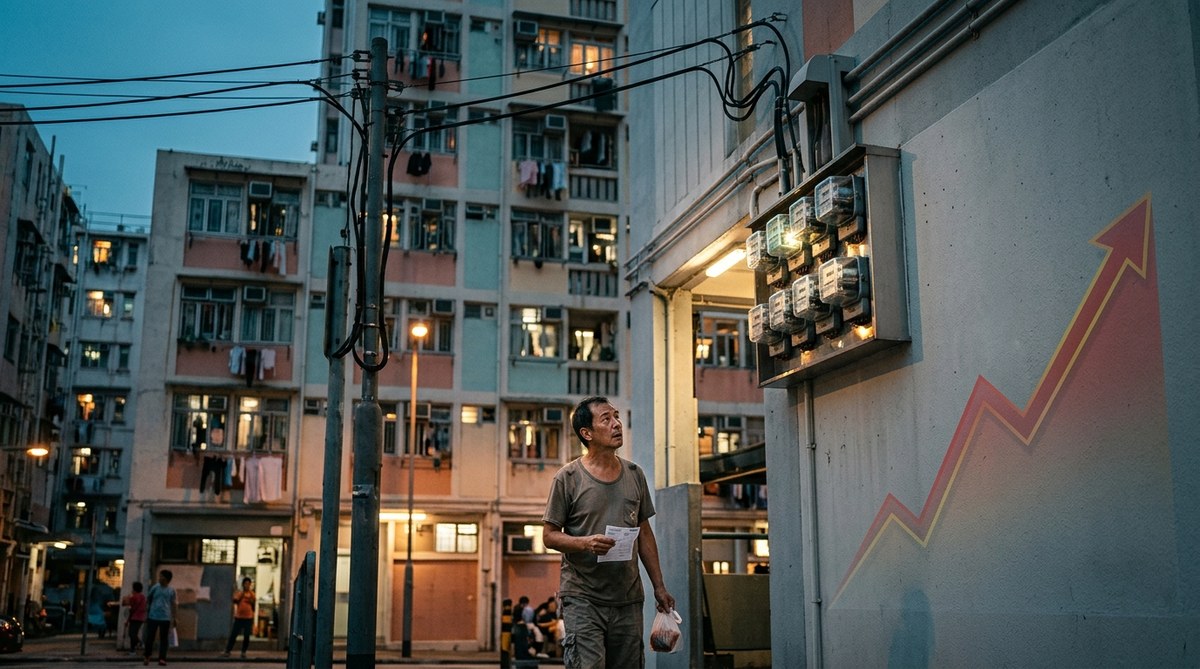








Walk through any densely populated neighborhood in Hong Kong and you’ll notice something striking. Towering residential blocks cast shadows over narrow streets. Windows face directly into neighboring apartments. Shared corridors carry sounds and smells from dozens of households. These aren’t just aesthetic observations. They’re environmental factors that influence physical health, mental wellbeing, and disease patterns in measurable ways.
Housing density affects health through multiple pathways including infectious disease transmission, mental health stress, chronic respiratory conditions, and access to resources. Research shows that people living in high-density housing experience higher rates of depression, anxiety, and communicable diseases. Understanding these connections helps policymakers design interventions that protect vulnerable populations while addressing urban space constraints.
Why residential density matters for population health
Housing density refers to the number of people living within a defined space. This can mean people per room, people per building, or people per square kilometer.
Each measurement tells a different story about health risk.
Household crowding occurs when multiple people share bedrooms or living spaces. Building density describes how many units occupy a single structure. Neighborhood density captures the broader concentration of residents in an area.
These distinctions matter because health impacts vary by scale.
A family of six in a two-bedroom apartment faces different challenges than a resident in a 40-story tower with adequate personal space. The first scenario increases infectious disease transmission within households. The second affects noise exposure, air quality, and access to green space.
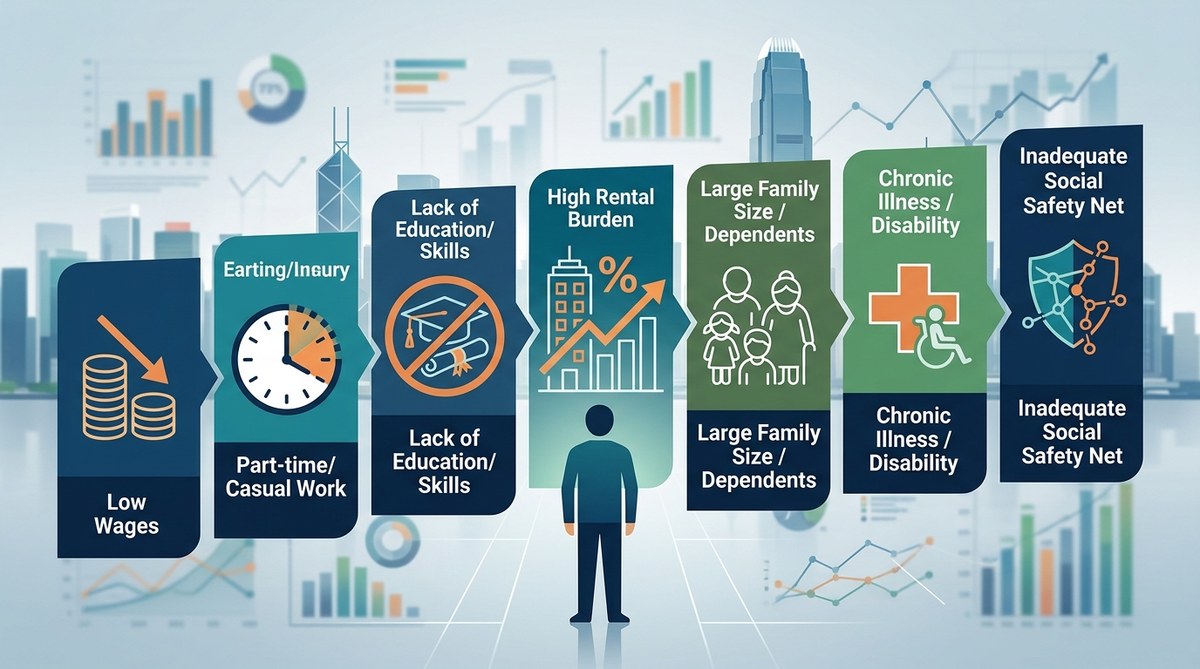
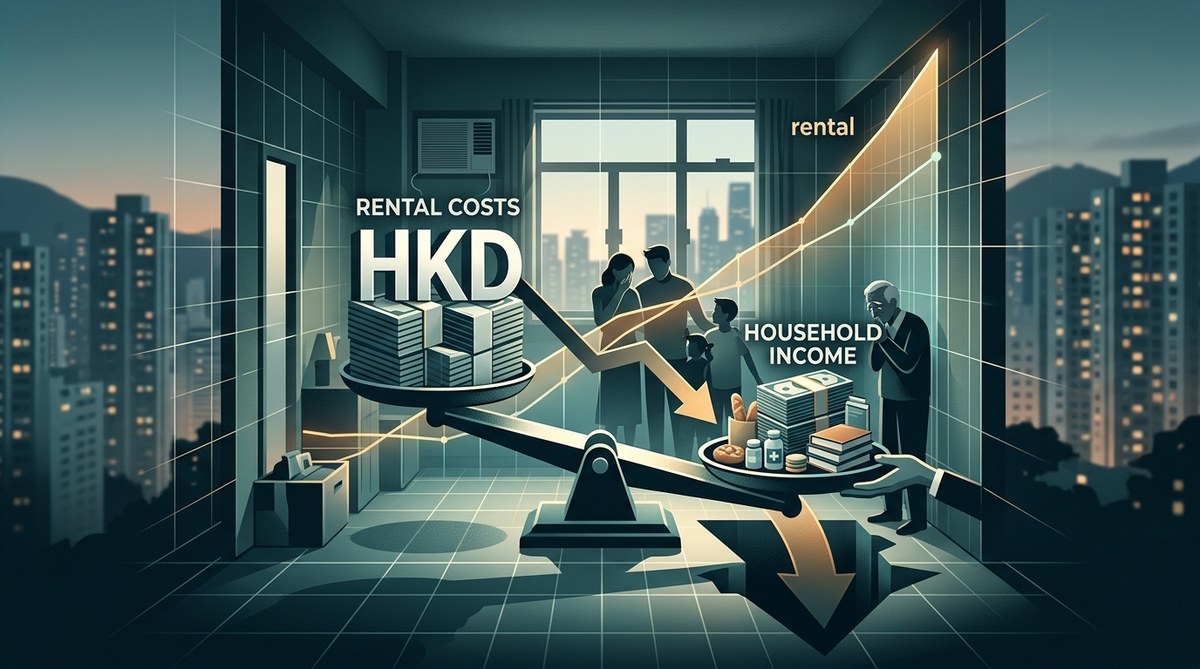
Public health researchers track these patterns because they reveal systematic inequalities. Low-income communities often experience higher density due to housing affordability constraints. This creates concentrated health vulnerabilities that compound over time.
Physical health consequences of high-density living
Infectious diseases spread more rapidly in crowded housing conditions. Tuberculosis, influenza, and COVID-19 all show higher transmission rates in dense residential settings.
The mechanism is straightforward. Close proximity increases the frequency of contact between infected and susceptible individuals. Shared ventilation systems circulate airborne pathogens. Common areas like elevators and hallways create transmission opportunities.
A 2019 study in Hong Kong found that residents of subdivided flats had tuberculosis rates three times higher than the general population. These micro-apartments often house multiple families in spaces originally designed for single households.
Respiratory conditions also correlate with housing density. Asthma prevalence increases in high-rise buildings due to poor ventilation, mold growth, and indoor air pollutants. Children living in crowded conditions show higher rates of respiratory infections throughout childhood.
Chronic diseases develop through longer exposure patterns. Limited space for food preparation encourages reliance on processed foods. Lack of areas for physical activity contributes to sedentary lifestyles. Sleep disruption from noise pollution affects metabolic health over years.
Mental health and psychological wellbeing
The psychological toll of dense housing environments receives less attention than physical health impacts, but the evidence is substantial.
Crowding creates chronic stress through several mechanisms. Privacy loss means residents cannot control when they interact with others. Noise from neighbors disrupts sleep and concentration. Visual density, seeing many people constantly, triggers sensory overload.
Research consistently links household crowding with depression and anxiety. A longitudinal study tracking 10,000 Hong Kong residents found that people living in the most crowded conditions reported depression scores 40% higher than those in adequately spaced housing.
Children show particularly strong effects. Growing up in crowded homes correlates with behavioral problems, lower academic performance, and reduced cognitive development. The lack of personal space for homework and rest creates cumulative disadvantages.
“High-density housing doesn’t just affect individuals. It shapes family dynamics, parenting stress, and intergenerational health patterns. When parents experience chronic stress from their living environment, children absorb those effects through multiple pathways.” — Dr. Sarah Wong, Urban Health Research Institute
Social isolation paradoxically increases in very dense settings. While physical proximity is high, meaningful social connections may decrease. Residents report feeling anonymous in large buildings and avoiding common spaces due to overcrowding.
Environmental exposures and resource access
Dense housing concentrates environmental health risks in specific geographic areas.
Air quality deteriorates in neighborhoods with many high-rise buildings. Vehicle traffic increases to serve larger populations. Building materials and ventilation systems affect indoor air composition. Cooking emissions from hundreds of units accumulate in confined spaces.
Noise pollution reaches levels that cause measurable health harm. Traffic, construction, neighbors, and commercial activities create constant background noise. Chronic noise exposure increases cardiovascular disease risk, disrupts sleep architecture, and impairs cognitive function in children.
Access to healthcare varies by neighborhood density patterns. Some high-density areas have excellent clinic and hospital access. Others, particularly informal settlements or rapidly developed zones, lack adequate health infrastructure for their populations.
Green space availability inversely correlates with residential density in most cities. Parks, trees, and natural areas provide mental health benefits, encourage physical activity, and improve air quality. Residents of dense housing often travel farther to access these resources or forgo them entirely.
Food environments in high-density neighborhoods tend toward convenience stores and fast food rather than fresh produce markets. This pattern reflects both economic factors and spatial constraints on larger grocery stores.
Measuring housing density effects: methods and challenges
Researchers use several approaches to quantify the relationship between density and health outcomes.
-
Cross-sectional surveys compare health indicators across neighborhoods with varying density levels. These studies identify associations but cannot prove causation.
-
Longitudinal cohort studies follow individuals over time, tracking health changes as housing conditions shift. This design better establishes temporal relationships.
-
Natural experiments analyze health impacts when policy changes affect housing density, such as public housing redevelopment or zoning modifications.
Each method faces limitations. Confounding factors complicate interpretation. People living in high-density housing often differ in income, education, and health behaviors from those in lower-density settings. Statistical models attempt to control for these variables, but residual confounding remains possible.
Measurement challenges include defining density thresholds, accounting for time spent at home versus other locations, and capturing cumulative exposure over years. Self-reported health data introduces recall bias. Administrative health records may miss unreported conditions.
Despite these challenges, consistent patterns emerge across studies using different methods and populations. The convergence of evidence strengthens confidence in the housing density and health outcomes relationship.
Policy implications and intervention strategies
Understanding density-health connections informs multiple policy domains.
Housing regulations can set minimum space standards per person. Hong Kong currently requires 7 square meters per person in public housing, though many private subdivided units fall below this threshold. Enforcement mechanisms determine whether standards translate into actual living conditions.
Building design standards address ventilation, soundproofing, and shared space quality. Requirements for windows, ceiling heights, and air circulation directly affect resident health. Amenities like rooftop gardens or ground-floor community rooms provide relief from unit crowding.
Urban planning decisions shape neighborhood-level density patterns. Zoning regulations determine building heights and lot coverage. Transit-oriented development concentrates density near transportation hubs, reducing vehicle dependence. Mixed-use zoning integrates residential, commercial, and recreational spaces.
Public health interventions can target high-density areas for screening programs, vaccination campaigns, and health education. Mobile clinics bring services to residents who face barriers accessing traditional healthcare facilities.
| Intervention Type | Health Benefit | Implementation Challenge |
|---|---|---|
| Minimum space standards | Reduced infectious disease transmission | Enforcement in informal housing |
| Improved ventilation requirements | Lower respiratory illness rates | Retrofit costs in existing buildings |
| Noise insulation mandates | Better sleep quality and mental health | Technical complexity in high-rise structures |
| Community green space allocation | Increased physical activity and social connection | Land scarcity in dense urban areas |
| Tenant density limits | Decreased household crowding stress | Potential displacement of low-income residents |
Social housing programs can prioritize families in severely crowded conditions. Rent subsidies help households afford adequate space in the private market. Both approaches face fiscal constraints and political considerations.
Vulnerable populations and health equity
Housing density effects distribute unequally across social groups.
Low-income households experience the highest density levels due to affordability pressures. They also have fewer resources to mitigate health impacts through healthcare access, nutrition, or temporary escapes from crowded conditions.
Elderly residents face particular risks in high-density settings. Mobility limitations make navigating crowded buildings and neighborhoods more difficult. Social isolation increases when physical barriers prevent community participation. Chronic health conditions worsen with environmental stressors.
Children’s developmental needs conflict with crowded housing realities. They require space for play, homework, and rest. Lack of personal space affects cognitive development and emotional regulation. Exposure to adult activities and conversations in shared rooms creates inappropriate stress.
Migrants and ethnic minorities often concentrate in the most crowded housing due to discrimination, language barriers, and social networks. These communities may also face healthcare access barriers that compound density-related health risks.
People with disabilities need accessible housing features that often conflict with space-maximizing designs. Wheelchairs require wider doorways and turning space. Sensory sensitivities to noise and visual stimulation intensify in crowded environments.
Addressing these equity dimensions requires targeted policies that protect vulnerable groups while avoiding stigmatization or further marginalization.
Balancing density and health in growing cities
Cities worldwide face pressure to accommodate growing populations within limited land areas. This reality makes eliminating density neither feasible nor desirable.
High-density living offers sustainability benefits. Compact development reduces transportation emissions, preserves agricultural land, and enables efficient infrastructure provision. Urban density supports public transit viability and walkable neighborhoods.
The challenge lies in achieving density without compromising health.
Singapore demonstrates one approach through its public housing program. The Housing Development Board builds high-rise apartments with generous unit sizes, extensive green spaces, and integrated community facilities. Health outcomes in these developments compare favorably to lower-density alternatives.
Vienna’s social housing incorporates health considerations into design standards. Buildings include soundproofing, natural light requirements, and communal gardens. Resident satisfaction and health indicators remain high despite substantial density.
These examples share common features:
- Adequate space per person within units
- High-quality building materials and construction
- Access to outdoor and community spaces
- Integration with healthcare and social services
- Ongoing maintenance and management
Achieving similar outcomes requires sustained investment and political commitment. Short-term development pressures often override long-term health considerations. Regulatory frameworks must balance developer interests with resident wellbeing.
Research gaps and future directions
Despite substantial evidence linking housing density and health outcomes, important questions remain unanswered.
Longitudinal studies tracking health changes over decades would clarify cumulative effects and identify critical exposure periods. Most existing research uses shorter timeframes that may miss gradual health deterioration.
Intervention studies testing specific design modifications could identify cost-effective improvements. Randomized trials of housing interventions face ethical and practical challenges, but natural experiments and quasi-experimental designs offer alternatives.
Mental health mechanisms deserve deeper investigation. How do privacy loss, noise exposure, and visual crowding interact to affect psychological wellbeing? What individual factors moderate these effects?
Cultural variation in density tolerance and health impacts requires exploration. Studies predominantly from East Asian and European contexts may not generalize to other cultural settings where household composition norms and space use patterns differ.
Climate change interactions with housing density create emerging health risks. Urban heat island effects intensify in dense neighborhoods. Extreme weather events disproportionately affect residents of crowded, low-quality housing.
Technology offers new measurement approaches. Smartphone sensors can track actual time spent in different density environments. Wearable devices measure physiological stress responses in real time. These tools could refine understanding of exposure-response relationships.
Making density work for health
Housing density and health outcomes connect through multiple pathways that operate across individual, household, building, and neighborhood scales.
The evidence shows clear health risks from crowding, but also demonstrates that density itself need not compromise wellbeing. Thoughtful design, adequate space standards, and supportive infrastructure can maintain health even in compact urban forms.
Policymakers face the challenge of protecting public health while accommodating urban growth. This requires integrating health considerations into housing regulations, building codes, and urban planning decisions. It demands investment in social housing that prioritizes resident wellbeing alongside efficient land use.
Researchers must continue documenting density-health relationships, identifying effective interventions, and advocating for evidence-based policies. The growing body of knowledge provides tools for creating healthier cities.
For individuals and families navigating high-density housing markets, understanding these connections helps in making informed choices about where and how to live. Advocating for better housing conditions becomes easier when armed with evidence about health impacts.
Cities will continue growing denser. The question is whether this density supports or undermines the health of people living in these environments. The answer depends on choices made today about how we design, regulate, and invest in urban housing.