







Blog

  • 7 Critical Indicators That Define Poverty in Hong Kong Beyond Income Levels

    7 Critical Indicators That Define Poverty in Hong Kong Beyond Income Levels

    Measuring poverty by income alone paints an incomplete picture. In Hong Kong, where living costs rank among the world’s highest and inequality continues to widen, understanding who struggles requires a multidimensional approach. The city’s official poverty line captures one aspect of hardship, but real deprivation shows up in housing quality, educational access, health outcomes, and social participation.

    Key Takeaway

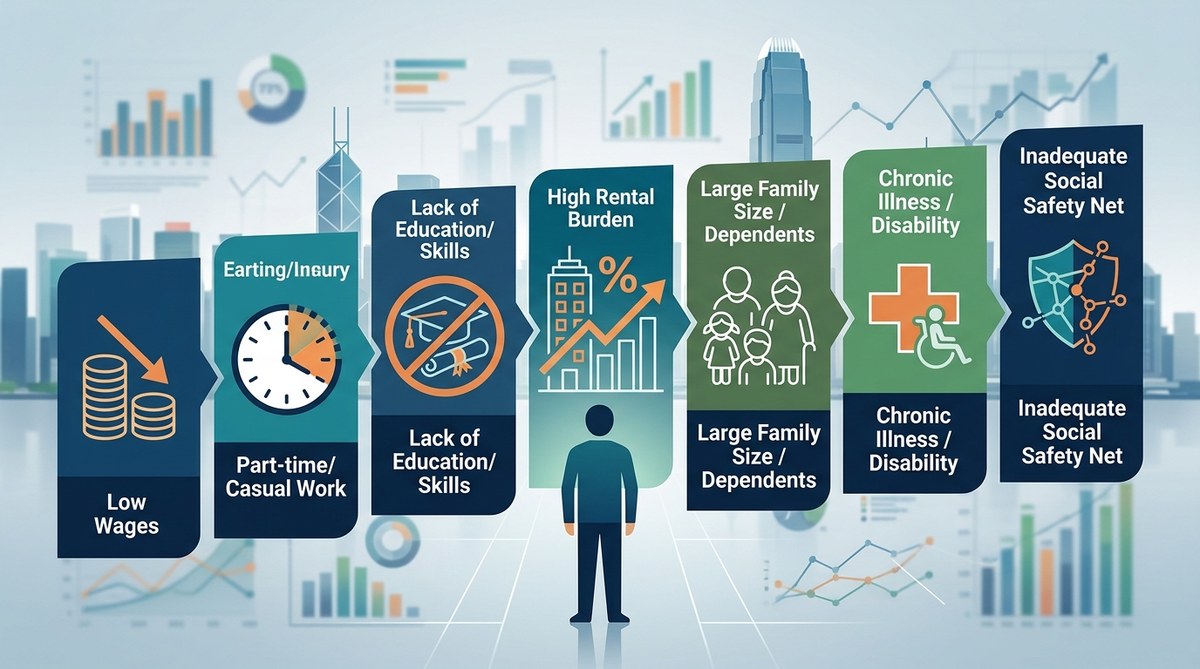
    Hong Kong uses seven poverty indicators beyond income to measure deprivation: housing conditions, educational attainment, employment quality, health access, digital connectivity, food security, and social inclusion. These metrics reveal that 1.4 million residents face poverty when measured multidimensionally, compared to income measures alone. Understanding these indicators helps policymakers design targeted interventions that address root causes rather than symptoms.

    Why income alone misses the full story

    Traditional poverty measurement focuses on median household income thresholds. Hong Kong’s official poverty line sits at 50% of median monthly household income before policy intervention. A four-person household falls below this line when earning less than HK$20,800 monthly.

    But income tells only part of the story.

    Two families earning identical wages can experience vastly different living standards. One might live in subdivided units with poor ventilation. The other might access public housing with adequate space. One child might attend well-resourced schools. Another might lack internet access for homework.

    These differences matter enormously for wellbeing and opportunity.

    The Social Development Index tracks multiple dimensions because poverty manifests through interconnected deprivations. Someone might earn above the poverty line yet struggle with chronic illness, inadequate housing, or social isolation. Each factor compounds the others.

    Housing conditions as a poverty marker

    7 Critical Indicators That Define Poverty in Hong Kong Beyond Income Levels - Illustration 1

    Housing quality serves as one of the most visible poverty indicators Hong Kong residents face daily.

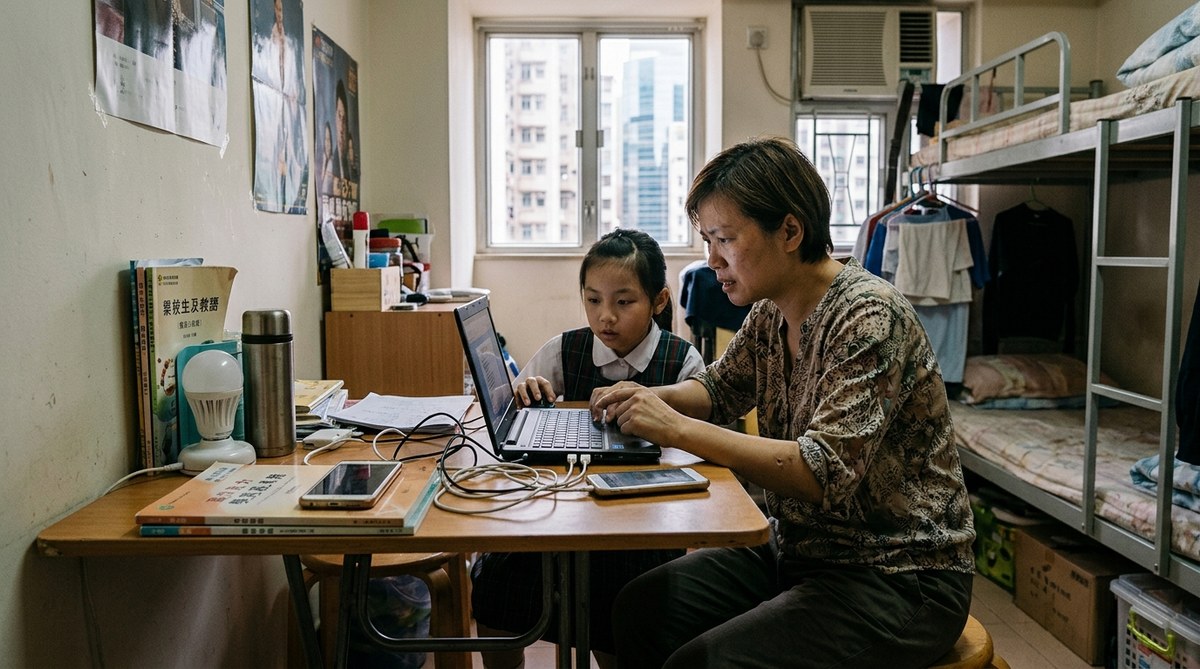
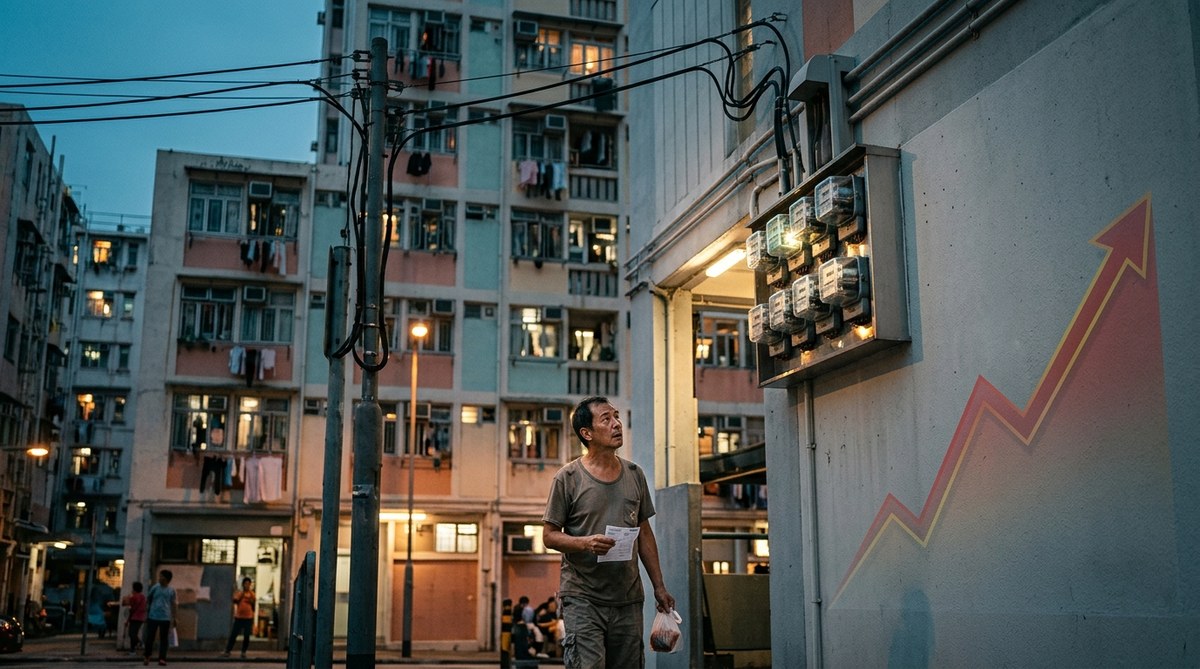
    Subdivided units, cage homes, and rooftop structures house over 220,000 people. These spaces average 48 square feet per person, less than half a standard parking space. Families cook, sleep, study, and live in single rooms without proper ventilation or natural light.

    The health implications run deep:

    • Respiratory infections spread rapidly in cramped quarters
    • Mental health deteriorates without private space
    • Children lack quiet areas for studying
    • Elderly residents face mobility hazards

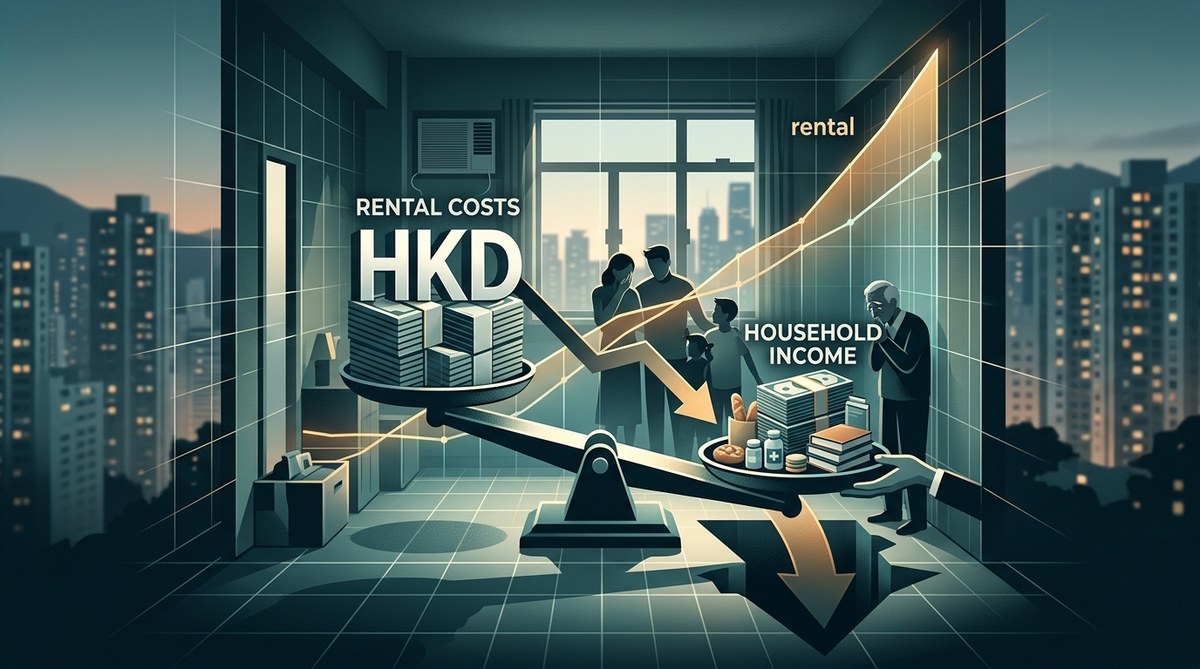
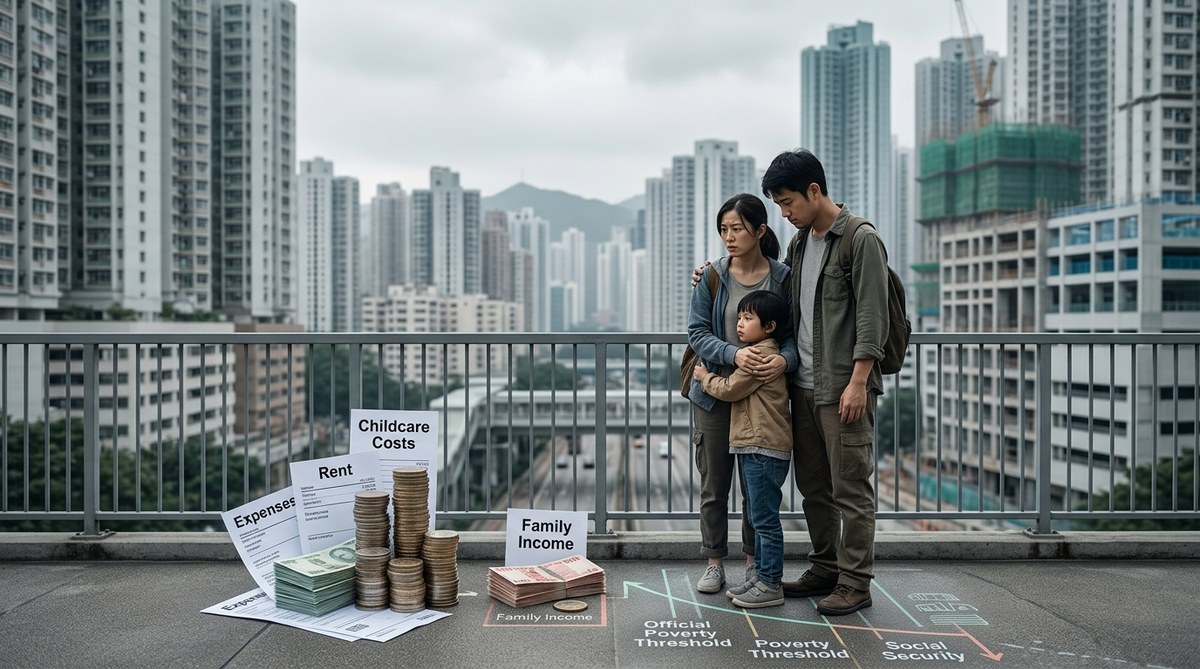
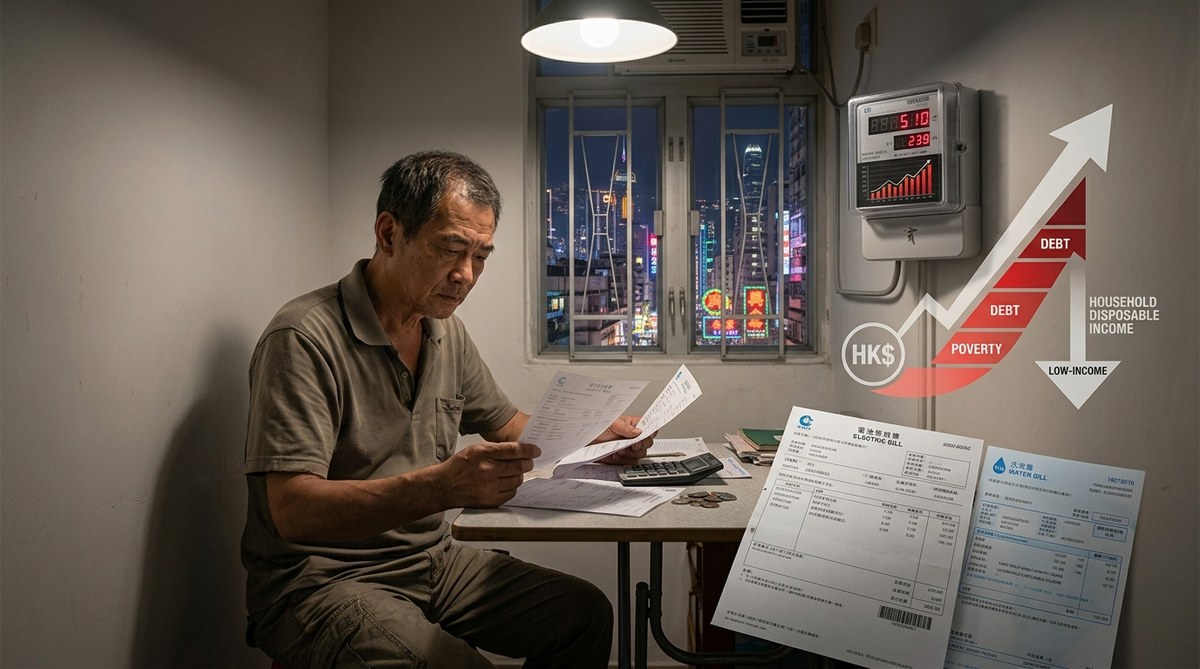
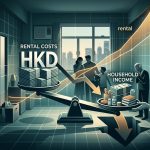
    Housing costs consume disproportionate shares of low-income budgets. Families earning HK$10,000 monthly often spend HK$4,000 to HK$5,000 on rent alone. This leaves minimal resources for food, healthcare, or education.

    Public housing waitlists stretch beyond six years for general applicants. During this waiting period, families cycle through temporary arrangements that destabilize employment, schooling, and social networks.

    Housing is not just shelter. It determines health outcomes, educational achievement, employment stability, and social participation. Measuring poverty without assessing housing conditions ignores a fundamental dimension of wellbeing.

    Educational access and attainment gaps

    Educational inequality perpetuates poverty across generations. While Hong Kong provides free primary and secondary education, significant disparities emerge in educational quality and support.

    Students from low-income families face multiple barriers:

    1. Limited access to tutorial services that middle-class peers use routinely
    2. Inadequate study space at home due to housing constraints
    3. Inability to afford extracurricular activities that build skills
    4. Digital divides that became critical during remote learning periods
    5. Nutritional deficits that affect concentration and attendance

    Secondary school completion rates vary dramatically by income quartile. Among the poorest 20% of households, only 68% of young adults complete secondary education, compared to 94% from the wealthiest quintile.

    Tertiary education remains financially prohibitive despite loan programs. Students from disadvantaged backgrounds graduate with larger debt burdens and often work part-time during studies, reducing academic performance and networking opportunities.

    The intergenerational impact compounds over time. Parents with limited education face employment barriers, creating household stress that affects children’s academic outcomes, perpetuating the cycle.

    Employment quality beyond wage levels

    7 Critical Indicators That Define Poverty in Hong Kong Beyond Income Levels - Illustration 2

    Having a job does not guarantee escape from poverty. Employment quality matters as much as employment status.

    Hong Kong’s working poor population exceeds 500,000 people. These individuals hold jobs yet earn insufficient income to meet basic needs. Many work in sectors characterized by:

    • Irregular hours without guaranteed minimum shifts
    • No paid sick leave or annual leave
    • Limited workplace safety protections
    • Few opportunities for skill development or advancement
    • Vulnerability to sudden termination without cause

    The gig economy has expanded precarious work arrangements. Delivery drivers, cleaners, security guards, and retail workers often piece together multiple part-time positions without benefits or job security.

    Employment Type Average Monthly Income Job Security Benefits Coverage
    Permanent full-time HK$18,500 High Comprehensive
    Contract position HK$14,200 Medium Partial
    Part-time multiple jobs HK$9,800 Low Minimal
    Gig/platform work HK$8,400 Very low None

    Underemployment affects poverty as severely as unemployment. Workers with skills and qualifications who can only find low-wage positions experience income poverty plus the psychological toll of underutilization.

    Health access and outcomes

    Healthcare accessibility reveals another critical poverty dimension. Hong Kong’s public healthcare system provides subsidized services, yet significant barriers prevent equal access.

    Wait times for specialist consultations in public hospitals can extend 18 to 24 months for non-urgent conditions. During this period, conditions worsen, productivity declines, and quality of life deteriorates.

    Low-income residents often delay seeking care due to:

    • Transportation costs to medical facilities
    • Lost wages from taking time off work
    • Inability to afford prescribed medications not covered by subsidies
    • Lack of health literacy to navigate the system effectively

    Chronic disease prevalence correlates strongly with income levels. Diabetes, hypertension, and cardiovascular conditions occur at higher rates among lower-income populations, partly due to diet, stress, and environmental factors.

    Mental health services remain particularly inaccessible. Public psychiatric services face overwhelming demand while private counseling costs HK$800 to HK$1,500 per session, prohibitive for most low-income individuals.

    The health-poverty connection runs both directions. Poor health limits employment opportunities and earning capacity. Low income restricts health-promoting resources like nutritious food, safe housing, and preventive care.

    Digital connectivity and information access

    The digital divide emerged as a stark poverty indicator during the COVID-19 pandemic. When schools shifted online, students without computers or stable internet faced immediate educational disadvantage.

    But digital exclusion predated and extends beyond pandemic disruptions.

    Approximately 180,000 Hong Kong households lack home internet access. Another 250,000 rely solely on mobile data plans with limited capacity. For students, job seekers, and workers, this creates cascading disadvantages:

    • Students cannot complete assignments requiring research or typing
    • Job seekers miss online-only application opportunities
    • Workers cannot access training programs or remote work options
    • Families pay more for goods and services unavailable at online discounts

    Government services increasingly move online, from housing applications to tax filing to benefit enrollment. Those without digital access face longer processing times, missed deadlines, and reduced service quality.

    The cost barrier remains significant. A basic home internet plan costs HK$120 to HK$180 monthly, representing 5% to 8% of income for families at the poverty line. Computers or tablets add upfront costs of HK$3,000 to HK$8,000.

    Digital literacy compounds access issues. Older residents and recent immigrants may have internet access but lack skills to use online services effectively, creating functional exclusion despite technical connectivity.

    Food security and nutritional adequacy

    Food insecurity affects approximately 400,000 Hong Kong residents who regularly skip meals, reduce portion sizes, or rely on the cheapest, least nutritious options.

    The manifestations vary:

    • Families eating rice with soy sauce as complete meals
    • Children arriving at school without breakfast
    • Elderly residents choosing between medication and food
    • Parents feeding children while going hungry themselves

    Food prices in Hong Kong rank among the highest globally. A basic nutritious diet costs approximately HK$50 per person daily, totaling HK$6,000 monthly for a family of four. This represents 60% of income for households at the poverty line.

    Food assistance programs provide critical support but cannot meet full demand. Food banks report turning away applicants due to supply limitations. School lunch subsidies help but do not cover dinners, weekends, or school holidays.

    Nutritional quality suffers most. Fresh vegetables, fruits, and protein sources cost significantly more than instant noodles, white rice, and processed foods. Low-income families consume diets high in refined carbohydrates and sodium but deficient in vitamins, minerals, and protein.

    The health consequences appear in higher rates of anemia, stunted growth in children, and diet-related chronic diseases. These health impacts then create additional economic burdens, perpetuating poverty.

    Social participation and inclusion

    Social exclusion represents perhaps the least visible yet most damaging poverty dimension. Inability to participate in normal social activities isolates individuals and limits opportunities.

    Children from low-income families often cannot:

    • Join school trips requiring fees
    • Participate in sports requiring equipment or uniforms
    • Attend classmates’ birthday celebrations with appropriate gifts
    • Engage in extracurricular activities that build friendships

    This exclusion affects self-esteem, peer relationships, and social skill development. Children internalize shame about their circumstances, affecting mental health and academic motivation.

    Adults face similar barriers. Social gatherings often involve expenses for meals, transportation, or activities that low-income individuals cannot afford. Over time, invitations decrease and social networks shrink.

    Community participation requires resources. Volunteering opportunities may require transportation costs. Civic engagement meetings occur during work hours. Cultural events charge admission fees.

    The psychological impact of social exclusion compounds material deprivation. Isolation increases depression and anxiety rates. Reduced social networks limit access to job information, mutual support, and collective advocacy.

    Measuring poverty comprehensively

    The seven poverty indicators Hong Kong uses create a multidimensional picture that income alone cannot capture. Researchers and policymakers increasingly recognize that deprivation manifests through interconnected disadvantages.

    Someone experiencing three or more of these indicators faces severe multidimensional poverty:

    1. Housing inadequacy (overcrowding, poor conditions, unaffordable rent)
    2. Educational barriers (incomplete schooling, lack of learning resources)
    3. Employment precarity (unstable work, insufficient income, no benefits)
    4. Health access limitations (delayed care, untreated conditions, poor outcomes)
    5. Digital exclusion (no internet access, inadequate devices, low literacy)
    6. Food insecurity (insufficient quantity, poor quality, skipped meals)
    7. Social isolation (inability to participate, limited networks, exclusion)

    Data shows that 42% of income-poor households also experience at least two additional deprivations. This overlap demonstrates how disadvantages cluster and reinforce each other.

    The multidimensional approach also identifies vulnerabilities among those above the income poverty line. Approximately 300,000 Hong Kong residents earn sufficient income yet face severe deprivation in housing, health, or social inclusion.

    Policy implications and intervention design

    Understanding poverty through multiple indicators transforms how interventions get designed and evaluated.

    Income transfers alone cannot address housing quality, educational gaps, or social exclusion. Effective poverty reduction requires coordinated approaches:

    • Housing policy that prioritizes affordability and adequate living standards
    • Educational support that includes tutoring, meals, and extracurricular access
    • Employment programs that emphasize job quality and worker protections
    • Healthcare expansion that reduces wait times and covers essential services
    • Digital inclusion initiatives providing devices, connectivity, and training
    • Food security programs ensuring nutritional adequacy, not just calories
    • Community development that builds social capital and participation opportunities

    Evaluation metrics must track changes across all dimensions. A policy that raises incomes but worsens housing stress or reduces social participation may not improve overall wellbeing.

    The interconnected nature of poverty indicators suggests that interventions addressing multiple dimensions simultaneously create synergistic benefits. For example, improved housing quality enhances health outcomes, educational achievement, and employment stability.

    Data collection and monitoring challenges

    Tracking multidimensional poverty requires robust data systems that many jurisdictions lack. Hong Kong faces several measurement challenges:

    • Inconsistent data collection across different government departments
    • Privacy concerns limiting data sharing and integration
    • Lag times between data collection and policy application
    • Difficulty capturing informal or hidden populations
    • Subjective elements in measuring social exclusion or wellbeing

    The Social Development Index addresses some gaps by compiling indicators from multiple sources. However, comprehensive poverty monitoring requires sustained investment in data infrastructure and interdepartmental coordination.

    Longitudinal data proves particularly valuable. Tracking individuals and families over time reveals poverty dynamics: who exits poverty, who falls into it, and what factors drive these transitions. This information guides prevention and intervention timing.

    Community-based participatory research complements official statistics. People experiencing poverty provide insights that administrative data cannot capture about daily challenges, coping strategies, and intervention effectiveness.

    Moving beyond income-focused solutions

    The evidence is clear. Poverty in Hong Kong extends far beyond insufficient income. Housing conditions, educational access, employment quality, health outcomes, digital connectivity, food security, and social inclusion all define whether people can meet basic needs and participate fully in society.

    Policymakers, researchers, and practitioners increasingly recognize that effective poverty reduction requires multidimensional strategies. Income support remains important but insufficient without addressing the structural factors that create and perpetuate deprivation.

    For academic researchers, these seven indicators provide frameworks for investigating poverty dynamics and evaluating interventions. For policy analysts, they offer metrics for assessing program effectiveness across multiple wellbeing dimensions. For social workers and NGO professionals, they highlight the interconnected challenges clients face and the need for holistic support.

    Understanding poverty through multiple lenses does not just improve measurement accuracy. It fundamentally changes how we think about solutions, moving from narrow income transfers toward comprehensive approaches that address root causes and build genuine opportunity for all Hong Kong residents.

  • Understanding the Working Poor: Employment Statistics That Challenge Common Assumptions

    Millions of people clock in every day, work full shifts, and still struggle to afford basic needs. The working poor are not a small group. They are not lazy. They are not unemployed. They hold jobs, sometimes multiple jobs, and yet poverty defines their daily reality.

    Key Takeaway

    Working poor statistics reveal that employment alone does not guarantee financial security. Across Hong Kong and globally, millions of workers earn wages too low to escape poverty. Understanding these data patterns helps researchers, journalists, and advocates challenge stereotypes, identify vulnerable groups, and push for policies that address wage stagnation, underemployment, and structural inequality affecting low-income workers.

    Who counts as working poor

    Defining the working poor matters because it shapes how we measure the problem and design solutions.

    Most definitions focus on people who spend at least half the year in the labor force but still live below the poverty line. That means working or actively looking for work for 27 weeks or more, yet earning income insufficient to meet basic needs.

    Some frameworks use relative poverty thresholds. A household earning less than 50% of the median income qualifies as poor, regardless of employment status. When workers fall into this category, they become part of the working poor.

    Other measures emphasize expenditure. If a household spends more than 60% of income on housing, food, and transport, financial stress becomes chronic. Employment does not shield them from hardship.

    Age, family size, and regional cost of living all influence these calculations. A single worker in a rural area faces different poverty risks than a parent of three in an expensive city.

    Numbers that challenge common beliefs

    Understanding the Working Poor: Employment Statistics That Challenge Common Assumptions - Illustration 1

    Statistics often contradict what people assume about poverty and work.

    In Hong Kong, nearly one in five employed individuals lives in poverty. That translates to hundreds of thousands of workers who cannot afford stable housing, healthcare, or education for their children despite holding jobs.

    Full-time employment does not eliminate poverty risk. Data shows that many working poor hold full-time positions. They are not underemployed by hours. They are underpaid by wage.

    Women face higher rates of working poverty than men. Gender wage gaps, occupational segregation, and caregiving responsibilities all contribute. Women cluster in lower-paid sectors like retail, hospitality, and domestic work.

    Young workers and older workers both experience elevated poverty rates. Youth enter the labor market with limited bargaining power and few skills. Older workers face age discrimination and limited retraining opportunities.

    Education does not guarantee escape. While higher education correlates with better wages, many degree holders still earn poverty-level incomes. Credential inflation and mismatched skills reduce the protective effect of schooling.

    Industries where working poverty clusters

    Certain sectors concentrate low-wage workers at much higher rates than others.

    Sector Poverty risk factors Typical wage range
    Retail and sales Part-time hours, commission-based pay, limited benefits Below median
    Food service Irregular shifts, tip dependency, high turnover Lowest quartile
    Cleaning and maintenance Contract work, no job security, minimal advancement Below median
    Security services Long hours, low hourly rates, limited training Below median
    Elderly care Emotional labor, physical demands, undervaluation Below median

    Retail workers often face unpredictable schedules. Employers adjust hours week by week, making budgeting nearly impossible. Workers cannot plan childcare, education, or second jobs.

    Food service relies heavily on tips and variable shifts. Base wages sit at legal minimums. Tips fluctuate with seasons, economic conditions, and customer demographics.

    Cleaning and maintenance jobs frequently operate through subcontractors. Workers lack direct employment relationships with the organizations they serve. Benefits disappear. Job security evaporates.

    Security guards work long shifts but earn low hourly wages. Overnight premiums rarely compensate for the health costs of disrupted sleep and social isolation.

    Elderly care workers provide essential services yet receive minimal pay. Society undervalues care work, especially when performed by women or migrants.

    Household composition and poverty dynamics

    Understanding the Working Poor: Employment Statistics That Challenge Common Assumptions - Illustration 2

    Family structure shapes poverty risk in powerful ways.

    Single-parent households face the highest working poverty rates. One income supports multiple people. Childcare costs consume large portions of earnings. Time constraints limit overtime and second jobs.

    Multi-generational households sometimes buffer poverty through shared expenses. Grandparents provide childcare. Adult children contribute income. But overcrowding and stress often accompany these arrangements.

    Dual-income households are not immune. When both partners earn low wages, combined income still falls short. Childcare, transport, and work-related expenses reduce net income significantly.

    Households with disabled members experience compounded challenges. Caregiving reduces available work hours. Medical expenses drain savings. Accessible housing costs more.

    Migrant workers often send remittances home, reducing their own consumption. They live in shared accommodation, skip meals, and forgo healthcare to support families abroad.

    Geographic patterns in working poverty

    Location determines opportunity and cost.

    Urban centers offer more jobs but charge higher rents. Workers spend hours commuting from affordable neighborhoods to job centers. Transport costs eat into wages.

    Rural areas provide cheaper housing but fewer employment options. Jobs cluster in agriculture, tourism, or resource extraction. Wages lag behind urban rates. Services like healthcare and education require travel.

    Suburban districts trap workers between high costs and limited transit. Car ownership becomes necessary but expensive. Insurance, fuel, and maintenance add up.

    Public housing availability varies dramatically by region. Long waiting lists mean workers spend years in private rentals, paying market rates on poverty wages.

    Proximity to family networks matters. Workers near relatives access informal childcare, meal sharing, and emergency support. Those far from kin face isolation and higher costs.

    Policy interventions that move the needle

    Evidence shows which approaches actually reduce working poverty.

    1. Minimum wage increases tied to cost of living indices prevent erosion of purchasing power over time.
    2. Earned income tax credits supplement low wages without discouraging employment.
    3. Affordable childcare subsidies enable parents to work more hours and accept better jobs.
    4. Public transport subsidies reduce the effective cost of commuting for low-wage workers.
    5. Skills training programs with employer partnerships create pathways to higher-paying roles.

    Minimum wage laws work best when adjusted regularly. Static rates lose value to inflation. Workers fall behind even while working the same hours.

    Tax credits deliver income support without creating welfare traps. Workers keep more of what they earn. Benefits phase out gradually as income rises.

    Childcare costs often exceed rent for families with young children. Subsidized care removes a major barrier to employment and advancement.

    Transport subsidies matter most in sprawling cities. Workers can accept jobs farther from home without losing income to fares.

    Training programs succeed when tied to actual hiring. Partnerships with employers ensure skills match demand. Credentials lead to real job offers.

    Effective anti-poverty policy recognizes that work alone does not solve poverty. Wages must cover basic needs. Support systems must fill gaps. Opportunity must be accessible to all workers, regardless of sector or background.

    Data gaps and measurement challenges

    Current statistics undercount and misrepresent working poverty in several ways.

    Informal work escapes official counts. Gig workers, cash-paid laborers, and undocumented workers rarely appear in surveys. Their poverty remains invisible to policymakers.

    Self-employment complicates income measurement. Earnings fluctuate. Expenses blur the line between business and personal costs. Poverty status changes month to month.

    In-kind benefits and informal support do not show up in income data. Households receiving free childcare from relatives or meals from community programs have higher effective income than statistics suggest.

    Asset poverty differs from income poverty. Workers with low wages but family wealth face different constraints than those without any safety net.

    Temporary poverty spells versus chronic poverty require different responses. Workers who experience brief poverty after job loss need different support than those stuck in low-wage careers for decades.

    Breaking stereotypes through data

    Numbers correct harmful misconceptions about the working poor.

    • Most working poor are not teenagers earning pocket money. They are adults supporting families.
    • Working poverty affects citizens and long-term residents, not just recent immigrants.
    • Education and effort do not guarantee escape when wages stagnate and costs rise.
    • Full-time work does not prevent poverty when hourly rates fall below living wage thresholds.
    • Working poor households often include multiple earners, not single unemployed adults.

    Media narratives often blame individuals for poverty. Statistics reveal structural causes. Wage floors matter more than work ethic. Housing policy shapes outcomes more than personal choices.

    Stereotypes about laziness crumble when data shows working poor logging more hours than higher-income workers. Many hold multiple jobs. They work nights, weekends, and holidays.

    Assumptions about immigration distort reality. Native-born workers experience working poverty at significant rates. The problem crosses citizenship lines.

    Beliefs that education solves everything ignore credential inflation and sector-specific wage ceilings. Degrees help but do not guarantee middle-class incomes.

    Tracking trends over time

    Historical data reveals how working poverty evolves with economic shifts.

    The 1990s saw working poverty decline in many developed economies. Strong growth, tight labor markets, and rising minimum wages lifted incomes.

    The 2008 financial crisis reversed progress. Job losses, wage cuts, and austerity measures pushed more workers into poverty. Recovery took years and bypassed many low-wage sectors.

    Automation and globalization changed the composition of working poverty. Manufacturing jobs disappeared. Service sector jobs expanded but paid less. Middle-skill jobs hollowed out.

    The COVID-19 pandemic exposed and worsened working poverty. Essential workers faced health risks without hazard pay. Service workers lost jobs entirely. Recovery remains uneven.

    Recent inflation surges eroded real wages. Workers saw paychecks grow nominally but shrink in purchasing power. Rent, food, and energy costs outpaced wage increases.

    Comparing Hong Kong to global patterns

    Hong Kong’s working poverty statistics reflect both unique local factors and broader global trends.

    High housing costs distinguish Hong Kong from most other cities. Rent consumes a larger share of income than almost anywhere else. Workers earning median wages still struggle with housing.

    Strong social safety nets in Nordic countries keep working poverty rates low. Universal childcare, healthcare, and education reduce the income needed to avoid poverty.

    The United States shows high working poverty despite high GDP per capita. Weak labor protections, expensive healthcare, and limited social programs leave many workers vulnerable.

    East Asian economies share some patterns with Hong Kong. Rapid development, income inequality, and limited welfare states create similar challenges.

    Latin American countries often have higher informal employment rates. Working poverty statistics undercount the true scale because so many workers operate outside formal systems.

    Using statistics for advocacy and policy change

    Data becomes powerful when translated into action.

    Researchers can identify which worker groups face highest risk. Targeted interventions reach those who need help most.

    Journalists can use statistics to humanize abstract policy debates. Numbers paired with personal stories create compelling narratives.

    Advocates can counter false claims with evidence. When opponents blame individuals, data reveals structural causes.

    Policymakers can track intervention effectiveness. Statistics show whether programs reduce poverty or waste resources.

    Students can build research projects around working poverty data. Fresh analysis generates new insights and career opportunities.

    Making sense of the numbers

    Working poor statistics challenge the myth that employment guarantees security. Millions of people work hard, follow rules, and still cannot afford basic dignity.

    The data points to clear solutions. Raise wage floors. Reduce housing costs. Subsidize childcare and transport. Invest in skills that lead to real jobs.

    Understanding these statistics helps everyone see poverty as a policy choice, not an individual failure. When we measure the problem accurately, we can solve it effectively.

  • How Income Inequality in Hong Kong Has Evolved Over Three Decades

    How Income Inequality in Hong Kong Has Evolved Over Three Decades

    Hong Kong stands as one of the world’s wealthiest cities, yet it also carries one of the widest wealth gaps among developed economies. For over thirty years, the divide between rich and poor has widened, reshaping neighborhoods, opportunities, and everyday life for millions of residents. Understanding how this gap emerged and evolved helps us see not just numbers on a chart, but real stories of families, workers, and communities.

    Key Takeaway

    Income inequality in Hong Kong has grown significantly since 1991, driven by economic restructuring, housing costs, and wage stagnation. The Gini coefficient rose from 0.476 in 1991 to over 0.539 by 2016, marking one of the highest levels among developed regions. Policy interventions have had limited success in reversing this trend, though recent measures show modest improvements in targeted areas.

    How the wealth gap took shape in the 1990s

    The early 1990s marked a turning point for Hong Kong’s economy. Manufacturing jobs moved to mainland China, leaving behind a service-based economy that favored highly educated workers. Factory workers who once earned stable middle-class incomes found themselves competing for lower-paying retail and hospitality positions.

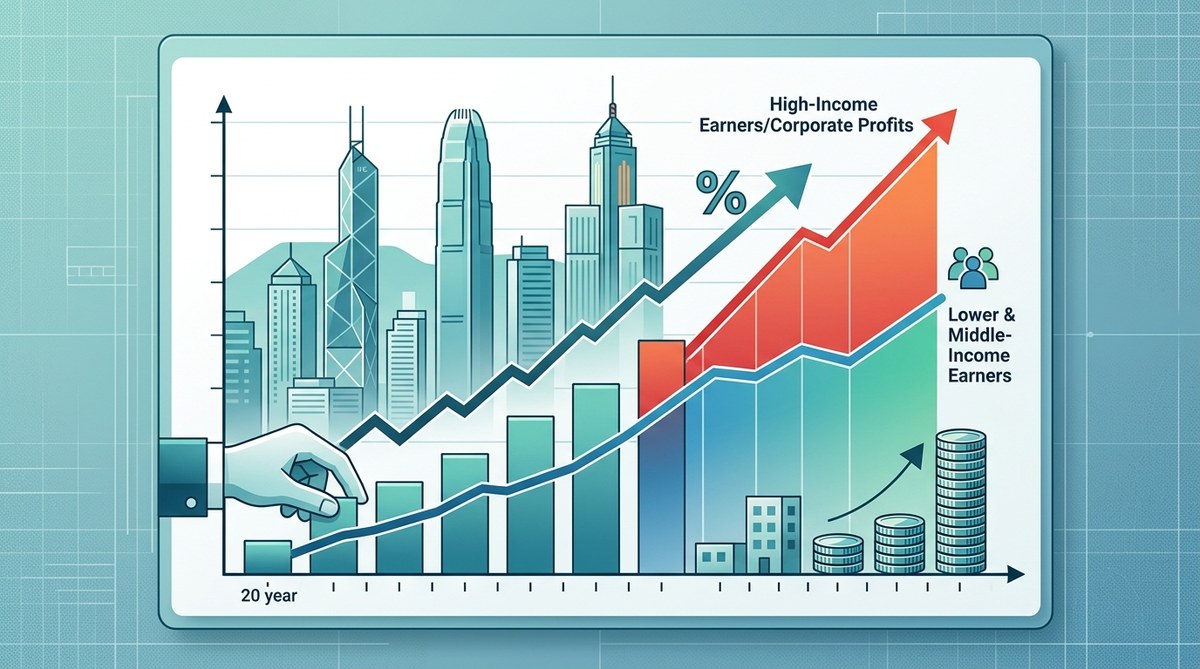
    Between 1991 and 2001, the city’s Gini coefficient climbed from 0.476 to 0.525. This jump reflected a labor market splitting into two camps: high earners in finance, real estate, and professional services, and low earners in support roles with little room for advancement.

    Property prices also began their long climb during this decade. Homeownership became harder to achieve for working families, pushing more households into public housing or subdivided flats. The wealth you could build through property ownership became a key driver of inequality, separating those who bought early from those priced out forever.

    The 2000s brought deeper divides

    How Income Inequality in Hong Kong Has Evolved Over Three Decades - Illustration 1

    The decade following the handover to China saw economic growth, but the benefits flowed unevenly. Financial services boomed, creating millionaires and billionaires at a rapid pace. At the same time, wages for cleaners, security guards, and food service workers barely kept up with inflation.

    By 2011, the Gini coefficient reached 0.537, one of the highest readings among advanced economies. The gap between the top 10% and bottom 10% of earners widened to a ratio of more than 40 to 1 before taxes and transfers.

    Three factors drove this trend:

    1. Globalization rewarded specialized skills and punished routine labor
    2. Automation reduced demand for middle-skill jobs in clerical and administrative work
    3. Immigration policies brought in both high-paid expatriates and low-wage domestic helpers, stretching both ends of the income spectrum

    Public housing waitlists grew longer. Families waited five years or more for affordable units. Those stuck in the private rental market spent 40% or more of their income on cramped apartments, leaving little for savings or education.

    What the data reveals about wealth concentration

    Looking at household income distribution paints a stark picture. The table below shows how income shares shifted over three decades:

    Income Group 1991 Share 2001 Share 2016 Share
    Bottom 20% 5.4% 4.8% 4.1%
    Middle 20% 11.2% 10.5% 9.8%
    Top 20% 47.3% 50.1% 52.7%

    The top fifth of households claimed more than half of all income by 2016, while the bottom fifth saw their share shrink below 5%. Middle-income households also lost ground, squeezed by rising costs and stagnant wages.

    Wealth concentration tells an even sharper story. Property ownership, stock portfolios, and business assets cluster heavily among the top 10%. A 2017 study found that the wealthiest 10% of Hong Kong households controlled more than 70% of total net worth.

    How housing costs amplified the divide

    How Income Inequality in Hong Kong Has Evolved Over Three Decades - Illustration 2

    No discussion of income inequality in Hong Kong makes sense without addressing housing. Property prices tripled between 2003 and 2018, far outpacing income growth. A typical middle-class family in 2018 needed to save their entire income for 20 years to afford a median-priced apartment, compared to 12 years in 2003.

    This created a two-tier society:

    • Homeowners who bought before 2000 saw their net worth multiply
    • Renters and late buyers faced permanent affordability challenges
    • Young professionals delayed marriage and children due to housing costs
    • Elderly renters lived in unsafe subdivided units with no retirement savings

    The government’s public housing program helped some families, but supply never matched demand. Private developers controlled land supply and had little incentive to build affordable units. The result was a housing market that functioned as a wealth transfer mechanism from young to old, from poor to rich.

    Policy responses and their limited impact

    Authorities introduced several measures to address growing inequality, with mixed results. The Minimum Wage Ordinance took effect in 2011, setting a floor for hourly pay. Initial rates started at HK$28 per hour and rose gradually to HK$37.50 by 2019.

    These wage floors helped the lowest earners but did little to close the broader gap. Many employers simply capped hours or shifted to part-time contracts. The minimum wage also didn’t apply to domestic helpers, excluding a significant portion of low-wage workers.

    Tax policy remained regressive. Hong Kong’s simple tax system with low rates and few brackets meant high earners paid a smaller share of their income than in most developed countries. A top marginal rate of 17% on salaries and a 15% corporate rate created minimal redistribution through the tax system.

    Addressing income inequality requires more than minimum wage adjustments. We need structural reforms in housing supply, progressive taxation, and investments in education and retraining for workers displaced by economic shifts.

    Social welfare spending increased, particularly for elderly support and disability services. Cash transfer programs like the Old Age Living Allowance provided modest monthly payments to seniors. These helped reduce poverty among the elderly but had little effect on working-age inequality.

    Recent trends show stubborn persistence

    The most recent data from 2016 to 2021 shows the Gini coefficient hovering around 0.539 before government intervention. After accounting for taxes and transfers, it drops to approximately 0.473, still higher than most OECD countries.

    Several factors keep inequality elevated:

    • The rise of the gig economy created more precarious work arrangements
    • Automation eliminated mid-level jobs in retail and customer service
    • Cross-border integration with mainland China increased competition for certain jobs while creating opportunities for others
    • Educational attainment gaps widened as wealthy families invested heavily in tutoring and international schools

    The COVID-19 pandemic hit low-income workers hardest. Restaurant staff, retail workers, and tourism employees faced layoffs and reduced hours. Professional workers often transitioned to remote work with minimal income disruption. Government relief programs provided temporary support but didn’t address underlying structural issues.

    Comparing Hong Kong to regional peers

    How does Hong Kong’s inequality compare to other Asian economies? Singapore, often seen as a comparable city-state, maintains a Gini coefficient around 0.45 after transfers, lower than Hong Kong despite similar economic structures. Singapore’s approach includes more aggressive public housing provision, with over 80% of residents living in government-built flats they can purchase at subsidized rates.

    South Korea and Taiwan both show lower inequality measures, partly due to stronger manufacturing sectors that provide middle-class jobs. Japan maintains relatively low inequality through lifetime employment practices and compressed wage structures, though these norms are weakening.

    Mainland Chinese cities show varied patterns. Beijing and Shanghai have high inequality but lower than Hong Kong. Shenzhen, just across the border, has grown rapidly with inequality levels approaching Hong Kong’s, driven by similar dynamics in tech and finance sectors.

    What drives persistent inequality

    Three structural forces keep the wealth gap wide:

    1. Economic structure: A service-dominated economy with limited manufacturing means fewer middle-skill, middle-wage jobs. Finance and professional services reward top performers generously while support roles offer minimal advancement.

    2. Land and housing policy: Government control of land supply, combined with developer oligopolies, keeps property prices artificially high. This transfers wealth from renters to owners and creates barriers to social mobility.

    3. Tax and transfer system: Low tax rates and minimal redistribution mean market income inequality translates almost directly into disposable income inequality. Unlike European welfare states, Hong Kong does little to compress the income distribution through fiscal policy.

    Educational inequality also plays a role. Children from wealthy families attend elite international schools and overseas universities, while working-class kids attend local schools with fewer resources. This creates a self-perpetuating cycle where advantages compound across generations.

    Measuring beyond the Gini coefficient

    While the Gini coefficient provides a useful summary statistic, other measures reveal additional dimensions of inequality. The Palma ratio, which compares the income share of the top 10% to the bottom 40%, shows an even starker picture for Hong Kong. By this measure, the city ranks among the most unequal places globally.

    Wealth inequality exceeds income inequality by a wide margin. The ratio of median net worth between the top and bottom quintiles stretches beyond 100 to 1. Many low-income households have zero or negative net worth due to debt and lack of assets.

    Intergenerational mobility has declined. A child born into a low-income family in Hong Kong today has less chance of reaching the top income quintile than their counterpart in 1980. Educational sorting, housing costs, and network effects all contribute to reduced mobility.

    Looking at inequality through different lenses

    Gender adds another layer to income disparities. Women in Hong Kong earn approximately 20% less than men for comparable work, a gap that has narrowed only slightly over three decades. Occupational segregation keeps women concentrated in lower-paying sectors like retail, education, and care work.

    Age patterns shifted over time. In the 1990s, middle-aged workers enjoyed peak earnings while young and old earned less. Today, the age-earnings profile has flattened for many workers. Young professionals face delayed career progression, while older workers without property wealth struggle with inadequate retirement savings.

    Immigration status matters significantly. Foreign domestic helpers, numbering over 350,000, earn fixed wages below the minimum wage floor. They provide essential care services but remain excluded from many labor protections and social benefits.

    Understanding the human cost

    Statistics tell only part of the story. Behind the numbers are families making difficult choices. Parents work two jobs to afford tutoring for their children. Young couples delay having kids because a two-bedroom apartment costs their combined annual salary times 20. Elderly residents sort cardboard for recycling to supplement meager pensions.

    Subdivided flats house over 200,000 people in spaces smaller than parking spots. These “coffin homes” represent the extreme end of housing inequality, where families pay premium rents for substandard conditions. Children do homework in bunk beds while parents cook on hot plates in hallways.

    Social segregation increased as neighborhoods sorted by income. Wealthy districts like the Peak and Repulse Bay became increasingly exclusive. Working-class areas like Sham Shui Po concentrated poverty and limited opportunities. This geographic sorting reduced cross-class interaction and understanding.

    Where things stand today

    Recent government initiatives show renewed attention to inequality. The 2021 Policy Address included increased public housing targets, expanded elderly care, and enhanced retraining programs. Whether these measures will meaningfully reduce inequality remains uncertain.

    The 2019 protests highlighted deep frustration with economic conditions, particularly among young people. Housing affordability, job prospects, and social mobility emerged as key grievances alongside political demands. Any sustainable political settlement must address these economic foundations.

    COVID-19 recovery presents both challenges and opportunities. Remote work could reduce geographic barriers to employment. Automation might eliminate low-wage jobs but could also create new opportunities. How policy shapes these transitions will determine whether inequality narrows or widens further.

    Making sense of three decades of data

    Income inequality in Hong Kong reflects choices about economic structure, land policy, taxation, and social investment. The trend over three decades shows consistent widening of the wealth gap, driven by forces both global and local. While some interventions have helped at the margins, no comprehensive strategy has emerged to fundamentally alter the trajectory.

    Understanding these patterns matters for anyone interested in Hong Kong’s future. The data shows that high inequality isn’t inevitable but results from specific policy choices and economic structures. Different choices could produce different outcomes. The question is whether political will exists to implement meaningful reforms, or whether the current trajectory will continue, with all its social and economic consequences.

    The numbers tell a clear story: Hong Kong’s wealth gap has grown substantially since 1991, creating a city of stark contrasts. Addressing this challenge requires acknowledging the data, understanding the drivers, and committing to structural changes that create more broadly shared prosperity.

  • 7 Critical Indicators That Define Poverty in Hong Kong Beyond Income Levels

    Measuring poverty by income alone paints an incomplete picture. In Hong Kong, where living costs rank among the world’s highest and inequality continues to widen, understanding who struggles requires a multidimensional approach. The city’s official poverty line captures one aspect of hardship, but real deprivation shows up in housing quality, educational access, health outcomes, and social participation.

    Key Takeaway

    Hong Kong uses seven poverty indicators beyond income to measure deprivation: housing conditions, educational attainment, employment quality, health access, digital connectivity, food security, and social inclusion. These metrics reveal that 1.4 million residents face poverty when measured multidimensionally, compared to income measures alone. Understanding these indicators helps policymakers design targeted interventions that address root causes rather than symptoms.

    Why income alone misses the full story

    Traditional poverty measurement focuses on median household income thresholds. Hong Kong’s official poverty line sits at 50% of median monthly household income before policy intervention. A four-person household falls below this line when earning less than HK$20,800 monthly.

    But income tells only part of the story.

    Two families earning identical wages can experience vastly different living standards. One might live in subdivided units with poor ventilation. The other might access public housing with adequate space. One child might attend well-resourced schools. Another might lack internet access for homework.

    These differences matter enormously for wellbeing and opportunity.

    The Social Development Index tracks multiple dimensions because poverty manifests through interconnected deprivations. Someone might earn above the poverty line yet struggle with chronic illness, inadequate housing, or social isolation. Each factor compounds the others.

    Housing conditions as a poverty marker

    Housing quality serves as one of the most visible poverty indicators Hong Kong residents face daily.

    Subdivided units, cage homes, and rooftop structures house over 220,000 people. These spaces average 48 square feet per person, less than half a standard parking space. Families cook, sleep, study, and live in single rooms without proper ventilation or natural light.

    The health implications run deep:

    • Respiratory infections spread rapidly in cramped quarters
    • Mental health deteriorates without private space
    • Children lack quiet areas for studying
    • Elderly residents face mobility hazards

    Housing costs consume disproportionate shares of low-income budgets. Families earning HK$10,000 monthly often spend HK$4,000 to HK$5,000 on rent alone. This leaves minimal resources for food, healthcare, or education.

    Public housing waitlists stretch beyond six years for general applicants. During this waiting period, families cycle through temporary arrangements that destabilize employment, schooling, and social networks.

    Housing is not just shelter. It determines health outcomes, educational achievement, employment stability, and social participation. Measuring poverty without assessing housing conditions ignores a fundamental dimension of wellbeing.

    Educational access and attainment gaps

    Educational inequality perpetuates poverty across generations. While Hong Kong provides free primary and secondary education, significant disparities emerge in educational quality and support.

    Students from low-income families face multiple barriers:

    1. Limited access to tutorial services that middle-class peers use routinely
    2. Inadequate study space at home due to housing constraints
    3. Inability to afford extracurricular activities that build skills
    4. Digital divides that became critical during remote learning periods
    5. Nutritional deficits that affect concentration and attendance

    Secondary school completion rates vary dramatically by income quartile. Among the poorest 20% of households, only 68% of young adults complete secondary education, compared to 94% from the wealthiest quintile.

    Tertiary education remains financially prohibitive despite loan programs. Students from disadvantaged backgrounds graduate with larger debt burdens and often work part-time during studies, reducing academic performance and networking opportunities.

    The intergenerational impact compounds over time. Parents with limited education face employment barriers, creating household stress that affects children’s academic outcomes, perpetuating the cycle.

    Employment quality beyond wage levels

    Having a job does not guarantee escape from poverty. Employment quality matters as much as employment status.

    Hong Kong’s working poor population exceeds 500,000 people. These individuals hold jobs yet earn insufficient income to meet basic needs. Many work in sectors characterized by:

    • Irregular hours without guaranteed minimum shifts
    • No paid sick leave or annual leave
    • Limited workplace safety protections
    • Few opportunities for skill development or advancement
    • Vulnerability to sudden termination without cause

    The gig economy has expanded precarious work arrangements. Delivery drivers, cleaners, security guards, and retail workers often piece together multiple part-time positions without benefits or job security.

    Employment Type Average Monthly Income Job Security Benefits Coverage
    Permanent full-time HK$18,500 High Comprehensive
    Contract position HK$14,200 Medium Partial
    Part-time multiple jobs HK$9,800 Low Minimal
    Gig/platform work HK$8,400 Very low None

    Underemployment affects poverty as severely as unemployment. Workers with skills and qualifications who can only find low-wage positions experience income poverty plus the psychological toll of underutilization.

    Health access and outcomes

    Healthcare accessibility reveals another critical poverty dimension. Hong Kong’s public healthcare system provides subsidized services, yet significant barriers prevent equal access.

    Wait times for specialist consultations in public hospitals can extend 18 to 24 months for non-urgent conditions. During this period, conditions worsen, productivity declines, and quality of life deteriorates.

    Low-income residents often delay seeking care due to:

    • Transportation costs to medical facilities
    • Lost wages from taking time off work
    • Inability to afford prescribed medications not covered by subsidies
    • Lack of health literacy to navigate the system effectively

    Chronic disease prevalence correlates strongly with income levels. Diabetes, hypertension, and cardiovascular conditions occur at higher rates among lower-income populations, partly due to diet, stress, and environmental factors.

    Mental health services remain particularly inaccessible. Public psychiatric services face overwhelming demand while private counseling costs HK$800 to HK$1,500 per session, prohibitive for most low-income individuals.

    The health-poverty connection runs both directions. Poor health limits employment opportunities and earning capacity. Low income restricts health-promoting resources like nutritious food, safe housing, and preventive care.

    Digital connectivity and information access

    The digital divide emerged as a stark poverty indicator during the COVID-19 pandemic. When schools shifted online, students without computers or stable internet faced immediate educational disadvantage.

    But digital exclusion predated and extends beyond pandemic disruptions.

    Approximately 180,000 Hong Kong households lack home internet access. Another 250,000 rely solely on mobile data plans with limited capacity. For students, job seekers, and workers, this creates cascading disadvantages:

    • Students cannot complete assignments requiring research or typing
    • Job seekers miss online-only application opportunities
    • Workers cannot access training programs or remote work options
    • Families pay more for goods and services unavailable at online discounts

    Government services increasingly move online, from housing applications to tax filing to benefit enrollment. Those without digital access face longer processing times, missed deadlines, and reduced service quality.

    The cost barrier remains significant. A basic home internet plan costs HK$120 to HK$180 monthly, representing 5% to 8% of income for families at the poverty line. Computers or tablets add upfront costs of HK$3,000 to HK$8,000.

    Digital literacy compounds access issues. Older residents and recent immigrants may have internet access but lack skills to use online services effectively, creating functional exclusion despite technical connectivity.

    Food security and nutritional adequacy

    Food insecurity affects approximately 400,000 Hong Kong residents who regularly skip meals, reduce portion sizes, or rely on the cheapest, least nutritious options.

    The manifestations vary:

    • Families eating rice with soy sauce as complete meals
    • Children arriving at school without breakfast
    • Elderly residents choosing between medication and food
    • Parents feeding children while going hungry themselves

    Food prices in Hong Kong rank among the highest globally. A basic nutritious diet costs approximately HK$50 per person daily, totaling HK$6,000 monthly for a family of four. This represents 60% of income for households at the poverty line.

    Food assistance programs provide critical support but cannot meet full demand. Food banks report turning away applicants due to supply limitations. School lunch subsidies help but do not cover dinners, weekends, or school holidays.

    Nutritional quality suffers most. Fresh vegetables, fruits, and protein sources cost significantly more than instant noodles, white rice, and processed foods. Low-income families consume diets high in refined carbohydrates and sodium but deficient in vitamins, minerals, and protein.

    The health consequences appear in higher rates of anemia, stunted growth in children, and diet-related chronic diseases. These health impacts then create additional economic burdens, perpetuating poverty.

    Social participation and inclusion

    Social exclusion represents perhaps the least visible yet most damaging poverty dimension. Inability to participate in normal social activities isolates individuals and limits opportunities.

    Children from low-income families often cannot:

    • Join school trips requiring fees
    • Participate in sports requiring equipment or uniforms
    • Attend classmates’ birthday celebrations with appropriate gifts
    • Engage in extracurricular activities that build friendships

    This exclusion affects self-esteem, peer relationships, and social skill development. Children internalize shame about their circumstances, affecting mental health and academic motivation.

    Adults face similar barriers. Social gatherings often involve expenses for meals, transportation, or activities that low-income individuals cannot afford. Over time, invitations decrease and social networks shrink.

    Community participation requires resources. Volunteering opportunities may require transportation costs. Civic engagement meetings occur during work hours. Cultural events charge admission fees.

    The psychological impact of social exclusion compounds material deprivation. Isolation increases depression and anxiety rates. Reduced social networks limit access to job information, mutual support, and collective advocacy.

    Measuring poverty comprehensively

    The seven poverty indicators Hong Kong uses create a multidimensional picture that income alone cannot capture. Researchers and policymakers increasingly recognize that deprivation manifests through interconnected disadvantages.

    Someone experiencing three or more of these indicators faces severe multidimensional poverty:

    1. Housing inadequacy (overcrowding, poor conditions, unaffordable rent)
    2. Educational barriers (incomplete schooling, lack of learning resources)
    3. Employment precarity (unstable work, insufficient income, no benefits)
    4. Health access limitations (delayed care, untreated conditions, poor outcomes)
    5. Digital exclusion (no internet access, inadequate devices, low literacy)
    6. Food insecurity (insufficient quantity, poor quality, skipped meals)
    7. Social isolation (inability to participate, limited networks, exclusion)

    Data shows that 42% of income-poor households also experience at least two additional deprivations. This overlap demonstrates how disadvantages cluster and reinforce each other.

    The multidimensional approach also identifies vulnerabilities among those above the income poverty line. Approximately 300,000 Hong Kong residents earn sufficient income yet face severe deprivation in housing, health, or social inclusion.

    Policy implications and intervention design

    Understanding poverty through multiple indicators transforms how interventions get designed and evaluated.

    Income transfers alone cannot address housing quality, educational gaps, or social exclusion. Effective poverty reduction requires coordinated approaches:

    • Housing policy that prioritizes affordability and adequate living standards
    • Educational support that includes tutoring, meals, and extracurricular access
    • Employment programs that emphasize job quality and worker protections
    • Healthcare expansion that reduces wait times and covers essential services
    • Digital inclusion initiatives providing devices, connectivity, and training
    • Food security programs ensuring nutritional adequacy, not just calories
    • Community development that builds social capital and participation opportunities

    Evaluation metrics must track changes across all dimensions. A policy that raises incomes but worsens housing stress or reduces social participation may not improve overall wellbeing.

    The interconnected nature of poverty indicators suggests that interventions addressing multiple dimensions simultaneously create synergistic benefits. For example, improved housing quality enhances health outcomes, educational achievement, and employment stability.

    Data collection and monitoring challenges

    Tracking multidimensional poverty requires robust data systems that many jurisdictions lack. Hong Kong faces several measurement challenges:

    • Inconsistent data collection across different government departments
    • Privacy concerns limiting data sharing and integration
    • Lag times between data collection and policy application
    • Difficulty capturing informal or hidden populations
    • Subjective elements in measuring social exclusion or wellbeing

    The Social Development Index addresses some gaps by compiling indicators from multiple sources. However, comprehensive poverty monitoring requires sustained investment in data infrastructure and interdepartmental coordination.

    Longitudinal data proves particularly valuable. Tracking individuals and families over time reveals poverty dynamics: who exits poverty, who falls into it, and what factors drive these transitions. This information guides prevention and intervention timing.

    Community-based participatory research complements official statistics. People experiencing poverty provide insights that administrative data cannot capture about daily challenges, coping strategies, and intervention effectiveness.

    Moving beyond income-focused solutions

    The evidence is clear. Poverty in Hong Kong extends far beyond insufficient income. Housing conditions, educational access, employment quality, health outcomes, digital connectivity, food security, and social inclusion all define whether people can meet basic needs and participate fully in society.

    Policymakers, researchers, and practitioners increasingly recognize that effective poverty reduction requires multidimensional strategies. Income support remains important but insufficient without addressing the structural factors that create and perpetuate deprivation.

    For academic researchers, these seven indicators provide frameworks for investigating poverty dynamics and evaluating interventions. For policy analysts, they offer metrics for assessing program effectiveness across multiple wellbeing dimensions. For social workers and NGO professionals, they highlight the interconnected challenges clients face and the need for holistic support.

    Understanding poverty through multiple lenses does not just improve measurement accuracy. It fundamentally changes how we think about solutions, moving from narrow income transfers toward comprehensive approaches that address root causes and build genuine opportunity for all Hong Kong residents.

  • Understanding the Working Poor: Employment Statistics That Challenge Common Assumptions

    Millions of people clock in every day, work full shifts, and still struggle to afford basic needs. The working poor are not a small group. They are not lazy. They are not unemployed. They hold jobs, sometimes multiple jobs, and yet poverty defines their daily reality.

    Key Takeaway

    Working poor statistics reveal that employment alone does not guarantee financial security. Across Hong Kong and globally, millions of workers earn wages too low to escape poverty. Understanding these data patterns helps researchers, journalists, and advocates challenge stereotypes, identify vulnerable groups, and push for policies that address wage stagnation, underemployment, and structural inequality affecting low-income workers.

    Who counts as working poor

    Defining the working poor matters because it shapes how we measure the problem and design solutions.

    Most definitions focus on people who spend at least half the year in the labor force but still live below the poverty line. That means working or actively looking for work for 27 weeks or more, yet earning income insufficient to meet basic needs.

    Some frameworks use relative poverty thresholds. A household earning less than 50% of the median income qualifies as poor, regardless of employment status. When workers fall into this category, they become part of the working poor.

    Other measures emphasize expenditure. If a household spends more than 60% of income on housing, food, and transport, financial stress becomes chronic. Employment does not shield them from hardship.

    Age, family size, and regional cost of living all influence these calculations. A single worker in a rural area faces different poverty risks than a parent of three in an expensive city.

    Numbers that challenge common beliefs

    Statistics often contradict what people assume about poverty and work.

    In Hong Kong, nearly one in five employed individuals lives in poverty. That translates to hundreds of thousands of workers who cannot afford stable housing, healthcare, or education for their children despite holding jobs.

    Full-time employment does not eliminate poverty risk. Data shows that many working poor hold full-time positions. They are not underemployed by hours. They are underpaid by wage.

    Women face higher rates of working poverty than men. Gender wage gaps, occupational segregation, and caregiving responsibilities all contribute. Women cluster in lower-paid sectors like retail, hospitality, and domestic work.

    Young workers and older workers both experience elevated poverty rates. Youth enter the labor market with limited bargaining power and few skills. Older workers face age discrimination and limited retraining opportunities.

    Education does not guarantee escape. While higher education correlates with better wages, many degree holders still earn poverty-level incomes. Credential inflation and mismatched skills reduce the protective effect of schooling.

    Industries where working poverty clusters

    Certain sectors concentrate low-wage workers at much higher rates than others.

    Sector Poverty risk factors Typical wage range
    Retail and sales Part-time hours, commission-based pay, limited benefits Below median
    Food service Irregular shifts, tip dependency, high turnover Lowest quartile
    Cleaning and maintenance Contract work, no job security, minimal advancement Below median
    Security services Long hours, low hourly rates, limited training Below median
    Elderly care Emotional labor, physical demands, undervaluation Below median

    Retail workers often face unpredictable schedules. Employers adjust hours week by week, making budgeting nearly impossible. Workers cannot plan childcare, education, or second jobs.

    Food service relies heavily on tips and variable shifts. Base wages sit at legal minimums. Tips fluctuate with seasons, economic conditions, and customer demographics.

    Cleaning and maintenance jobs frequently operate through subcontractors. Workers lack direct employment relationships with the organizations they serve. Benefits disappear. Job security evaporates.

    Security guards work long shifts but earn low hourly wages. Overnight premiums rarely compensate for the health costs of disrupted sleep and social isolation.

    Elderly care workers provide essential services yet receive minimal pay. Society undervalues care work, especially when performed by women or migrants.

    Household composition and poverty dynamics

    Family structure shapes poverty risk in powerful ways.

    Single-parent households face the highest working poverty rates. One income supports multiple people. Childcare costs consume large portions of earnings. Time constraints limit overtime and second jobs.

    Multi-generational households sometimes buffer poverty through shared expenses. Grandparents provide childcare. Adult children contribute income. But overcrowding and stress often accompany these arrangements.

    Dual-income households are not immune. When both partners earn low wages, combined income still falls short. Childcare, transport, and work-related expenses reduce net income significantly.

    Households with disabled members experience compounded challenges. Caregiving reduces available work hours. Medical expenses drain savings. Accessible housing costs more.

    Migrant workers often send remittances home, reducing their own consumption. They live in shared accommodation, skip meals, and forgo healthcare to support families abroad.

    Geographic patterns in working poverty

    Location determines opportunity and cost.

    Urban centers offer more jobs but charge higher rents. Workers spend hours commuting from affordable neighborhoods to job centers. Transport costs eat into wages.

    Rural areas provide cheaper housing but fewer employment options. Jobs cluster in agriculture, tourism, or resource extraction. Wages lag behind urban rates. Services like healthcare and education require travel.

    Suburban districts trap workers between high costs and limited transit. Car ownership becomes necessary but expensive. Insurance, fuel, and maintenance add up.

    Public housing availability varies dramatically by region. Long waiting lists mean workers spend years in private rentals, paying market rates on poverty wages.

    Proximity to family networks matters. Workers near relatives access informal childcare, meal sharing, and emergency support. Those far from kin face isolation and higher costs.

    Policy interventions that move the needle

    Evidence shows which approaches actually reduce working poverty.

    1. Minimum wage increases tied to cost of living indices prevent erosion of purchasing power over time.
    2. Earned income tax credits supplement low wages without discouraging employment.
    3. Affordable childcare subsidies enable parents to work more hours and accept better jobs.
    4. Public transport subsidies reduce the effective cost of commuting for low-wage workers.
    5. Skills training programs with employer partnerships create pathways to higher-paying roles.

    Minimum wage laws work best when adjusted regularly. Static rates lose value to inflation. Workers fall behind even while working the same hours.

    Tax credits deliver income support without creating welfare traps. Workers keep more of what they earn. Benefits phase out gradually as income rises.

    Childcare costs often exceed rent for families with young children. Subsidized care removes a major barrier to employment and advancement.

    Transport subsidies matter most in sprawling cities. Workers can accept jobs farther from home without losing income to fares.

    Training programs succeed when tied to actual hiring. Partnerships with employers ensure skills match demand. Credentials lead to real job offers.

    Effective anti-poverty policy recognizes that work alone does not solve poverty. Wages must cover basic needs. Support systems must fill gaps. Opportunity must be accessible to all workers, regardless of sector or background.

    Data gaps and measurement challenges

    Current statistics undercount and misrepresent working poverty in several ways.

    Informal work escapes official counts. Gig workers, cash-paid laborers, and undocumented workers rarely appear in surveys. Their poverty remains invisible to policymakers.

    Self-employment complicates income measurement. Earnings fluctuate. Expenses blur the line between business and personal costs. Poverty status changes month to month.

    In-kind benefits and informal support do not show up in income data. Households receiving free childcare from relatives or meals from community programs have higher effective income than statistics suggest.

    Asset poverty differs from income poverty. Workers with low wages but family wealth face different constraints than those without any safety net.

    Temporary poverty spells versus chronic poverty require different responses. Workers who experience brief poverty after job loss need different support than those stuck in low-wage careers for decades.

    Breaking stereotypes through data

    Numbers correct harmful misconceptions about the working poor.

    • Most working poor are not teenagers earning pocket money. They are adults supporting families.
    • Working poverty affects citizens and long-term residents, not just recent immigrants.
    • Education and effort do not guarantee escape when wages stagnate and costs rise.
    • Full-time work does not prevent poverty when hourly rates fall below living wage thresholds.
    • Working poor households often include multiple earners, not single unemployed adults.

    Media narratives often blame individuals for poverty. Statistics reveal structural causes. Wage floors matter more than work ethic. Housing policy shapes outcomes more than personal choices.

    Stereotypes about laziness crumble when data shows working poor logging more hours than higher-income workers. Many hold multiple jobs. They work nights, weekends, and holidays.

    Assumptions about immigration distort reality. Native-born workers experience working poverty at significant rates. The problem crosses citizenship lines.

    Beliefs that education solves everything ignore credential inflation and sector-specific wage ceilings. Degrees help but do not guarantee middle-class incomes.

    Historical data reveals how working poverty evolves with economic shifts.

    The 1990s saw working poverty decline in many developed economies. Strong growth, tight labor markets, and rising minimum wages lifted incomes.

    The 2008 financial crisis reversed progress. Job losses, wage cuts, and austerity measures pushed more workers into poverty. Recovery took years and bypassed many low-wage sectors.

    Automation and globalization changed the composition of working poverty. Manufacturing jobs disappeared. Service sector jobs expanded but paid less. Middle-skill jobs hollowed out.

    The COVID-19 pandemic exposed and worsened working poverty. Essential workers faced health risks without hazard pay. Service workers lost jobs entirely. Recovery remains uneven.

    Recent inflation surges eroded real wages. Workers saw paychecks grow nominally but shrink in purchasing power. Rent, food, and energy costs outpaced wage increases.

    Comparing Hong Kong to global patterns

    Hong Kong’s working poverty statistics reflect both unique local factors and broader global trends.

    High housing costs distinguish Hong Kong from most other cities. Rent consumes a larger share of income than almost anywhere else. Workers earning median wages still struggle with housing.

    Strong social safety nets in Nordic countries keep working poverty rates low. Universal childcare, healthcare, and education reduce the income needed to avoid poverty.

    The United States shows high working poverty despite high GDP per capita. Weak labor protections, expensive healthcare, and limited social programs leave many workers vulnerable.

    East Asian economies share some patterns with Hong Kong. Rapid development, income inequality, and limited welfare states create similar challenges.

    Latin American countries often have higher informal employment rates. Working poverty statistics undercount the true scale because so many workers operate outside formal systems.

    Using statistics for advocacy and policy change

    Data becomes powerful when translated into action.

    Researchers can identify which worker groups face highest risk. Targeted interventions reach those who need help most.

    Journalists can use statistics to humanize abstract policy debates. Numbers paired with personal stories create compelling narratives.

    Advocates can counter false claims with evidence. When opponents blame individuals, data reveals structural causes.

    Policymakers can track intervention effectiveness. Statistics show whether programs reduce poverty or waste resources.

    Students can build research projects around working poverty data. Fresh analysis generates new insights and career opportunities.

    Making sense of the numbers

    Working poor statistics challenge the myth that employment guarantees security. Millions of people work hard, follow rules, and still cannot afford basic dignity.

    The data points to clear solutions. Raise wage floors. Reduce housing costs. Subsidize childcare and transport. Invest in skills that lead to real jobs.

    Understanding these statistics helps everyone see poverty as a policy choice, not an individual failure. When we measure the problem accurately, we can solve it effectively.